
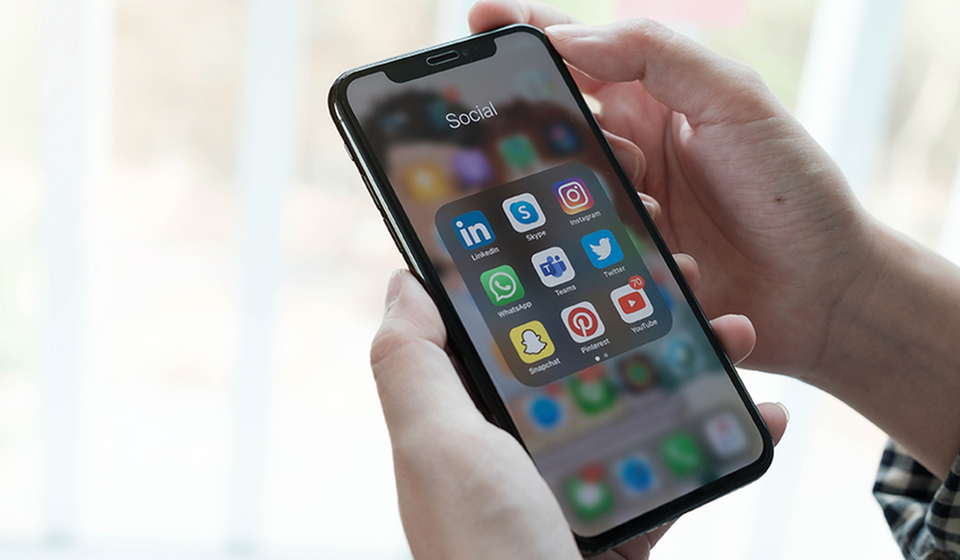
You probably open social media without thinking. A quick scroll between classes can turn into twenty minutes, and before you know it, an hour is gone. It feels normal because social media is part of your daily routine. You use it to stay connected, relax, and keep up with what’s happening around you.
At the same time, your online habits shape your focus, your mindset, and even your future opportunities. Social media can support your growth, or it can quietly distract you from it. The difference depends on how you use it. When you learn to manage your habits early, you stay in control and use it with greater awareness and intention.
Responsible social media use tips for university students
Make sure your profile reflects who you are
Think of your social media presence as a reflection of your personality. When someone visits your profile, they get a quick impression of who you are, what you value, and how you present yourself.
You want that impression to feel genuine. You don't need to create a version of yourself that feels forced or overly curated. Instead, let your posts, photos, and captions reflect your real interests, goals, and values. When your online presence feels authentic, it becomes easier to connect with others in a more meaningful way.
Avoid posting content that could harm your reputation
It's easy to post something in the moment, especially when emotions are high or when you are trying to be funny. Later, that same post can feel uncomfortable or even damaging.
Before you share anything, pause for a second. Ask yourself how it might look from someone else’s perspective. Would you feel comfortable if a professor, employer, or family member saw it?
Even if your account is private, nothing online is ever completely hidden. Content can be saved, shared, or screenshotted without your knowledge. Being mindful of what you post helps you avoid unnecessary problems and protect your reputation.
Stay in control of what you see online
Your feed is shaped by what you follow and engage with. Over time, it can influence how you think and feel, often without you realizing it. Take a moment to review the accounts you follow. Do they inspire you, or do they leave you feeling drained?
You have the ability to organize your digital space in a way that supports your well-being. You can improve your experience by making small changes, such as:
- Unfollowing accounts that create negativity or pressure
- Following content that encourages learning and creativity
- Engaging with posts that align with your goals
When your social media feed is filled with positive, relevant, and useful content, your time online becomes more meaningful and purposeful. It allows you to gain value from what you consume, rather than feeling distracted or unproductive.
Manage your time without feeling restricted
Social media can easily take up more time than you expect. You might open an app for a quick break and suddenly lose track of your schedule. During your university years, your time matters. You are balancing studies, social life, and personal growth, so it is important to stay intentional about how you spend it.
Managing your screen time helps you stay focused without cutting yourself off completely. You can build a healthier routine by setting specific times to check your apps, turning off notifications while studying, and keeping your phone out of reach during important tasks.
These simple habits can make a meaningful difference, helping you stay focused, improve productivity, and reduce unnecessary distractions.
Understand privacy and platform settings
Many people skip through settings without paying much attention, yet these controls determine how much of your information is visible. Take time to review your privacy options and adjust them in a way that feels right for you. Limiting access to your personal details can help protect you from unwanted attention.
It's also important to be cautious with third-party apps. Some request access to your data without offering much real value in return. Keeping your accounts secure is an essential part of using social media responsibly.
Be careful when interacting with people online
Not everyone online is who they claim to be. Even if a profile seems friendly or familiar, it is important to stay cautious. When interacting with others, avoid sharing personal information such as your location, schedule, or other private details.
You don't need to respond to every message or request. Setting clear boundaries helps you stay safe while still enjoying meaningful social connections.
Use social media to support your growth
Social media can be a valuable tool when used with purpose. It gives you access to ideas, communities, and opportunities that can support your development. You can use it to explore your interests, learn new skills, and connect with people who share your goals. When you approach it with intention, your time online becomes more productive.
Instead of scrolling without direction, think about how you can use these platforms to support your future. Even small changes in how you engage can make a noticeable difference.
Final thoughts
Most people spend a lot of time on social media, and how you use it can shape your focus, mindset, and how others see you. By staying mindful of what you share, managing your time, protecting your privacy, and choosing your content carefully, you can build a healthier digital routine.
Even small changes in your habits can help you stay in control and make social media a positive part of your university experience, rather than a distraction that pulls you away from what matters most.
Your environment also plays a role in how well you manage your time and stay focused. If you are searching for student apartments in London, Ontario, The W London offers fully furnished spaces with modern amenities designed to support your lifestyle.
A well-designed living space like The W London can help you stay organized, reduce distractions, and maintain the balance you need to succeed while still enjoying your university experience.
Frequently asked questions
How can you use social media responsibly during university?
You can use social media responsibly by being mindful of what you post, managing your time online, and protecting your personal information. When you stay aware of your habits, it becomes easier to stay focused and avoid unnecessary distractions.
Why is it important to manage your social media usage?
Managing your social media usage helps you stay productive and maintain a healthy routine. When you control how much time you spend online, you create more space for studying, personal growth, and meaningful connections in your daily life.
How can you reduce distractions from social media while studying?
You can reduce distractions by turning off notifications, setting specific times to check your apps, and keeping your phone out of reach during study sessions. These simple changes help you stay focused and complete your tasks more efficiently.
What type of content should you avoid posting online?
It is best to avoid posting anything that could harm your reputation or reveal sensitive personal information. Content that feels inappropriate, offensive, or too personal can lead to long-term consequences.
How does your social media presence affect your future?
Your social media presence creates a digital impression that others may see when learning about you. A thoughtful and positive profile can support future opportunities, while careless posting can create challenges you may not expect.