
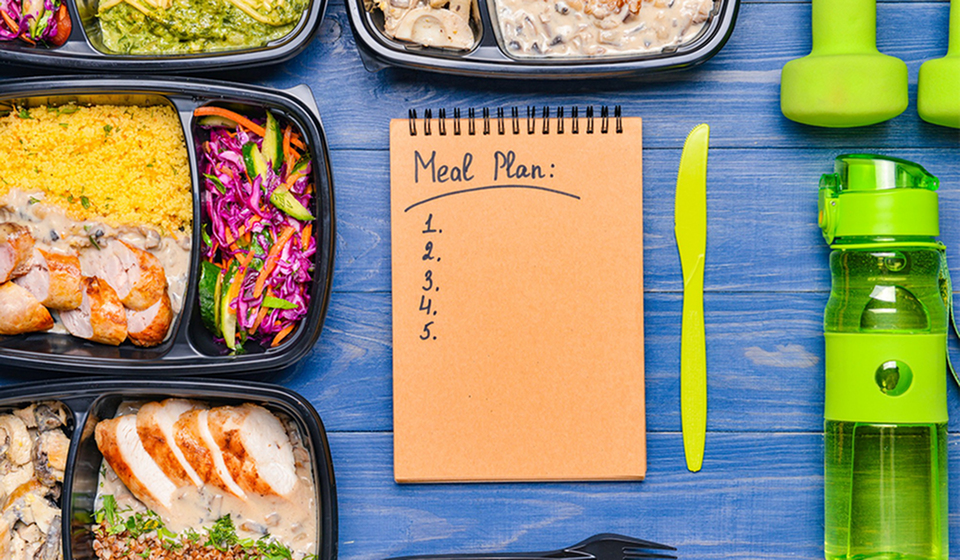
Eating well as a student doesn’t require a big budget or a full kitchen. University life often feels like a whirlwind of responsibilities. Between keeping up with demanding classes, joining extracurriculars, and balancing a social life, it’s easy to see why healthy eating slips to the bottom of the priority list.
What it really takes is a plan—a simple and repeatable system that helps you save money, time, and energy. With the right approach, you can build healthy habits that keep you focused in class while avoiding the stress of last-minute food decisions. Whether you’re cooking for yourself or with roommates, this guide shows how to create a student meal plan that is affordable, nutritious, and easy to manage.
Why do you need a student nutrition plan
As a student, your body and brain need consistent fuel to keep you going. Food fads and quick fixes may sound appealing, but what really matters is having meals that:
- Keep your energy levels steady throughout the day.
- Help you focus on lectures and while studying.
- Don’t drain your budget.
- It can be made quickly in a student kitchen.
That’s why a student nutrition plan is so useful. It gives you structure, ensures variety, and helps you avoid expensive last-minute takeout.
What are the essential nutrients students need?
Good nutrition supports not only your health but also your academic performance. Here are some of the most important nutrients every student should include in their daily meals:
Protein – Builds and repairs tissues while supporting memory and concentration. Found in eggs, lean meats, tofu, legumes, and nuts.
Carbohydrates—Provide the brain’s main source of energy. Whole grains, fruits, and vegetables help keep focus steady.
Fats—Healthy fats like omega-3s support brain function. Sources include fish, walnuts, chia seeds, and flaxseed.
Vitamins –
- Vitamin A for eyesight (carrots, spinach).
- Vitamin C for immunity (citrus fruits, bell peppers).
- B vitamins for energy (leafy greens, dairy, whole grains).
Minerals –
- Iron for oxygen transport (meat, legumes, spinach).
- Calcium for bone and muscle health (dairy, fortified plant milks).
Water—
Hydration is essential for brain function. Herbal teas and fruit-infused water are good options too.
Making these nutrients a part of your weekly plan helps improve focus, energy, and overall well-being.
Steps to build a healthy routine:
Step 1: Build a weekly routine that works
Creating a weekly plan makes healthy eating second nature. Here’s how:
- Batch cook once a week: Make a big pot of pasta, soup, or stir-fry and portion it for later.
- Use ingredients across meals: Roast vegetables or cook rice in bulk and use them in different dishes throughout the week.
- Rotate your plan: Add variety to avoid boredom and stay motivated.
Step 2: Stock up on core ingredients
Having the right basics in your cupboard makes meal prep faster and cheaper. Buying in bulk can save you money and ensure you always have the essentials.
Examples include:
- Pasta, rice, oats.
- Eggs and canned beans.
- Bread (store in the freezer to last longer).
- Spreads like peanut butter.
With these items on hand, you’ll always have the base for a quick, filling meal.
Step 3: Use simple recipes that stretch further
Quick, repeatable recipes are the key to a dependable student meal plan. Some ideas:
- Stir-fry: Cook noodles or rice, add vegetables, and mix with eggs or tofu.
- Spaghetti bolognese or chili: Make a large batch, freeze portions, and reheat as needed.
- Naan bread pizza: Use naan or tortillas, top with tomato sauce, cheese, and leftovers, and bake.
These meals are inexpensive, filling, and don’t require a lot of cleanup.
Step 4: Add smart snacks
Snacks can either keep you energized or drag you down, depending on what you choose. Pick options that add nutritional value:
- Yogurt with oats.
- Boiled eggs.
- Fresh fruit.
- Rice cakes with peanut butter.
Keeping healthy snacks nearby helps you avoid vending machines or fast food.
Step 5: Plan your weekly food shop
Your meal plan depends on what you buy. Plan your shopping list ahead of time, stick to it, and shop when prices are lower. Buying store-brand items and checking for discounts can save a lot over time.
Pro tips:
- Shop after dinner to avoid impulse buys.
- Never shop on an empty stomach.
- Look for seasonal produce; it’s usually cheaper and fresher.
Conclusion
Maintaining a healthy diet as a student can be challenging when you’re juggling classes, assignments, and a tight budget. The biggest obstacles are usually limited time, limited cooking skills, and the temptation of fast food. But with a solid plan, you can overcome these challenges and stay on track. Remember, it’s not about cooking fancy meals every night. It’s about finding a system that works for you and repeating it until it becomes a habit.
For students looking for housing, where you live can also make a big difference in how easy it is to maintain a routine. At The W London, fully furnished apartments give students a ready-to-live option, making the transition smoother. Since these apartments for rent near Western University in London, Ontario, come with all the essentials in place, you can settle in quickly and focus on your studies, cooking, and daily schedule without worrying about moving or furnishing. It’s a supportive community that can save time and provide comfort, which supports the healthy lifestyle habits that a good meal plan depends on.